
March 2026 visit to Uganda; Radiotherapy modernized
At this time of this post (March 2026) Road to Care has been helping cervical cancer patients in Uganda for 17 years, and over these years, Ndinawe Kateera (Director of Operations) has been providing steadfast local leadership and nimbly adapting to change. It was time to go with him and Roselight (Clinical Nurse Lead for Road to Care from Hospice Africa Uganda) to visit the radiotherapy hostels.
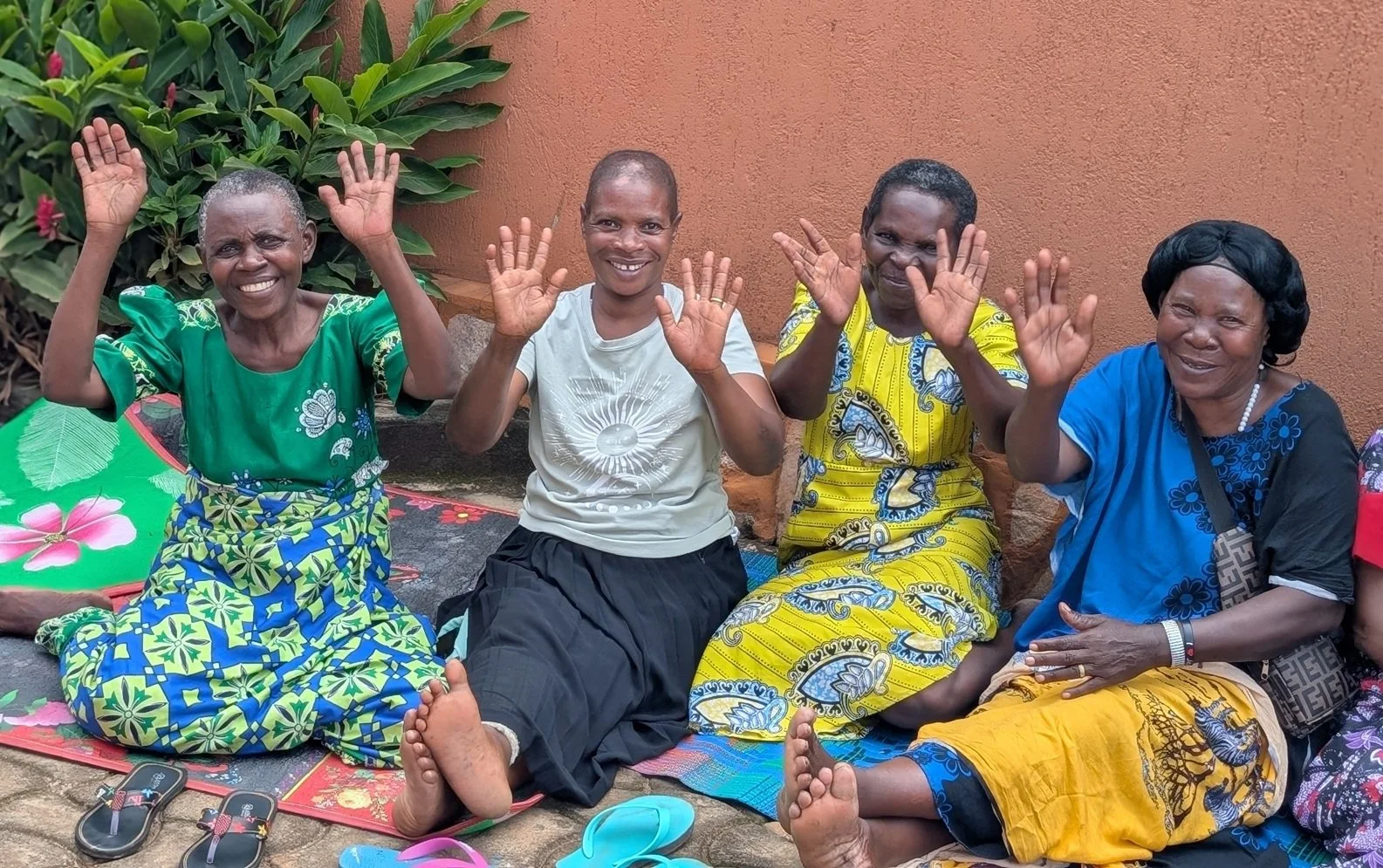
When we visited Road to Care’s two radiotherapy hostels, we were greeting with song, dance and hugs from the women who were grateful to be undergoing treatment. I send these greetings on to you.
They are so brave to have travelled this far. These women have been away from their families for many weeks.
I have written about our visit to the hostels in the next blog post!
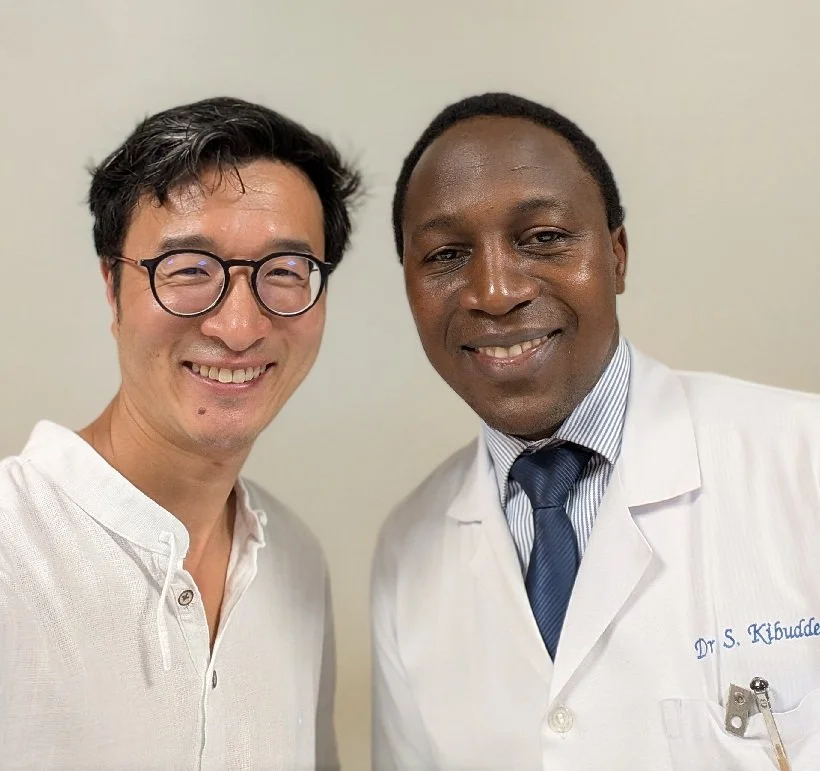
One major change is that the Uganda Cancer Institute now has a new Head of Radiation Oncology, Dr. Kibudde Solomon.
I have been emailing Dr. Solomon for several years now, but nothing builds trust and facilitates communication like a face to face encounter. Dr. Solomon is a brilliant, compassionate physician and a trusted colleague.
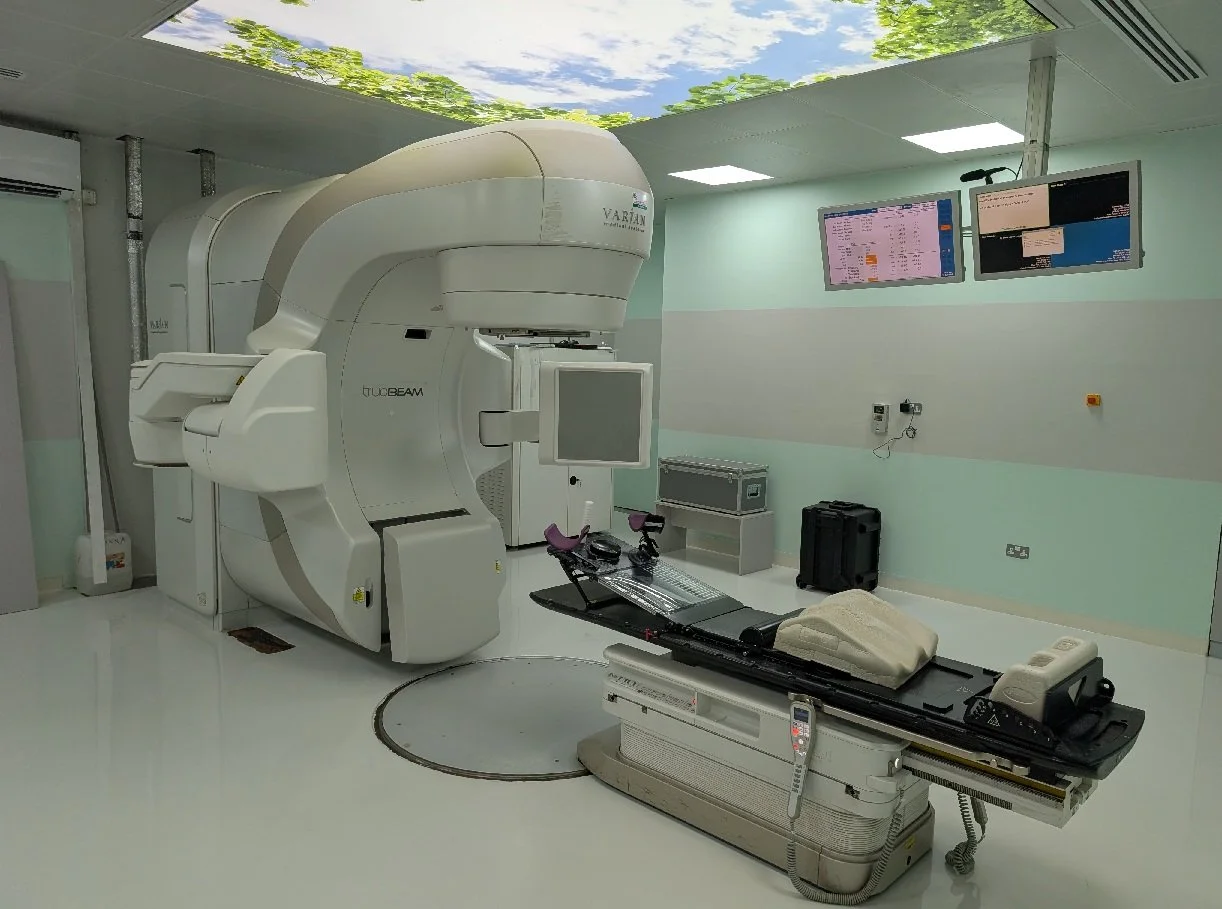
The Uganda Cancer Institute (UCI) has 6 radiation bunkers. It has replaced its cobalt machines with modern TrueBeam Linear accelerators (Linacs), similar to what we use in Canada to treat patients. Currently the UCI has 2 Linacs, 1 CT simulator and 1 cobalt HDR brachytherapy unit up and running. In the upcoming weeks they will commission their 3rd Linac, 2nd CT Simulator and 2nd HDR brachytherapy unit.
Treating with TrueBeam Linacs allows for patients to have less side effects from treatment. Women experience less gastrointestinal side effects because the modern radiotherapy machine can selectively avoid the small bowel (using a technique called VMAT) while still treating the cancer. As someone who just recovered from a 24 hour stomach flu, I can attest that GI discomfort is terrible, and this change in treatment modality is a step forward for treating our patients better.
However. Modernization comes at a cost. In order to afford these modern radiotherapy machines, the Ugandan Ministry of Health has decided to charge 1.66 million Ugandan shillings for 25 sessions of VMAT radiotherapy treatment and 3 sessions of HDR brachytherapy. This is equivalent to $650 CAD.
With this modernization in cancer treatment, the cost of supporting a patient now costs $1000 CAD. 12 weeks of meals, transportation and investigations costs $350 CAD, and treatment costs $650 CAD.
We are in the midst of collaboratively speaking with local stakeholders to figure out how we will adapt to this change. I met with local gynecologists and the local nurses from Mobile Hospice Mbarara and Hospice Africa Uganda who take care of these patients. We are 100% committed to ensuring that every patient who comes to our Road to Care intake centres, or directly to the Uganda Cancer Institute with very curable cervical cancer without the means to support themselves will be supported. We will not let any stage IB2 - 2B cervical cancer patient (70% curable) go untreated.
A big thank you goes out to Dr. Lynn Chang, a radiation oncologist from Ottawa, Canada, for responding to my call for help. Dr. Chang is one of Road to Care’s founding board members, and has committed to a large monthly donation that will help cover half the cost of this big leap in treatment costs. I can’t express how grateful I am for her generosity. We still need an additional $12,000 CAD a year to bridge the remaining gap, so we need everyone’s help now more than ever to continue providing life saving care. If you’d like to contribute now, please click here.
Thank you so much to those reading this post for being an integral part of the Road to Care!
